Momella · Northern Tanzania
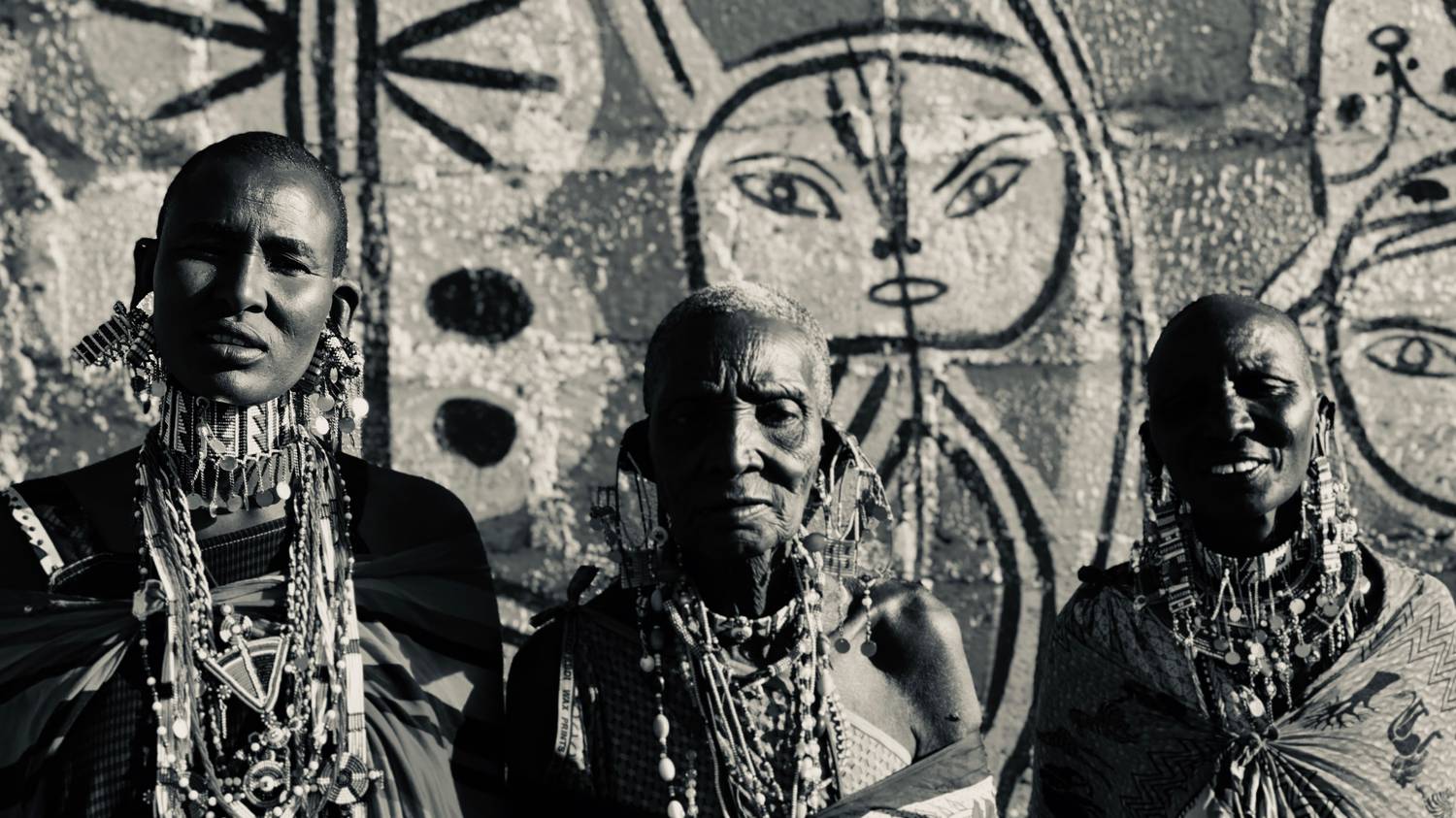
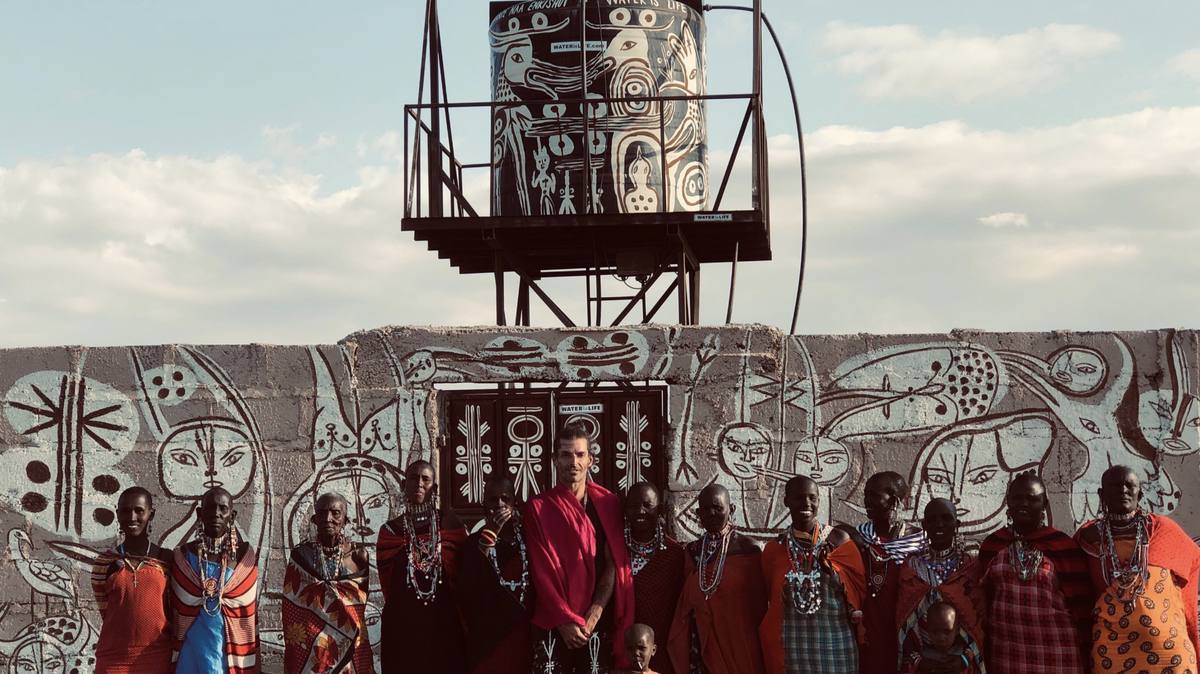
A Gate of Liberation raised with the Maasai — a monumental threshold co-authored with the community that will keep it.
The proposition
Between 24 November and 1 December 2026, in the Momella region of northern Tanzania — between the crater rim of Mount Meru and the snowline of Kilimanjaro — thirty participants will live alongside a Maasai community and raise a monumental gate together.
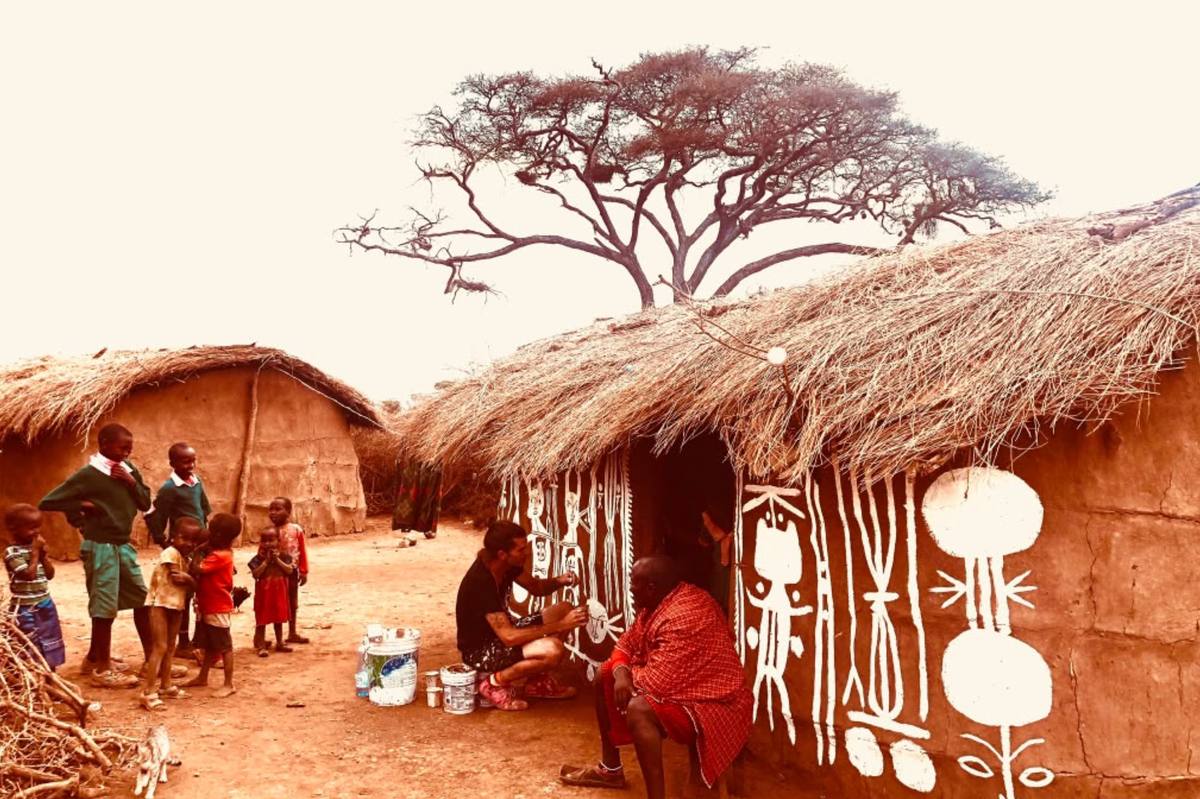
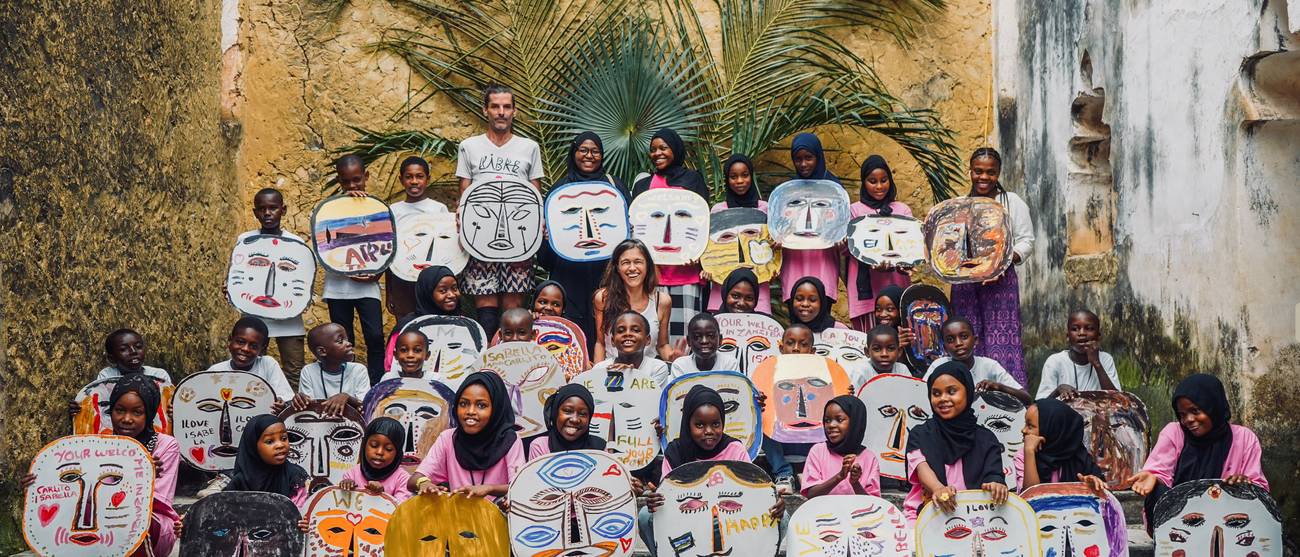
The work is led by the artist Carlito Dalceggio, Artistic Director of Gates of Liberation, in partnership with Africa Amini Alama, which has worked beside Maasai and Meru families in Momella since 2009. The gate is designed, painted and erected by many hands — Maasai elders, young people, artists, craftsmen, and those who travel to be there.
Around the finished threshold, artists invited from Tanzania and Kenya will play. Poetry will be spoken. Wisdom will be shared in the open air, in more than one language, by people who did not know each other a week before.
Two days of the eight belong entirely to the land: the Ngorongoro Crater, and Kilimanjaro National Park. Not as excursions, but as the ground that gives the gate its meaning.
The name
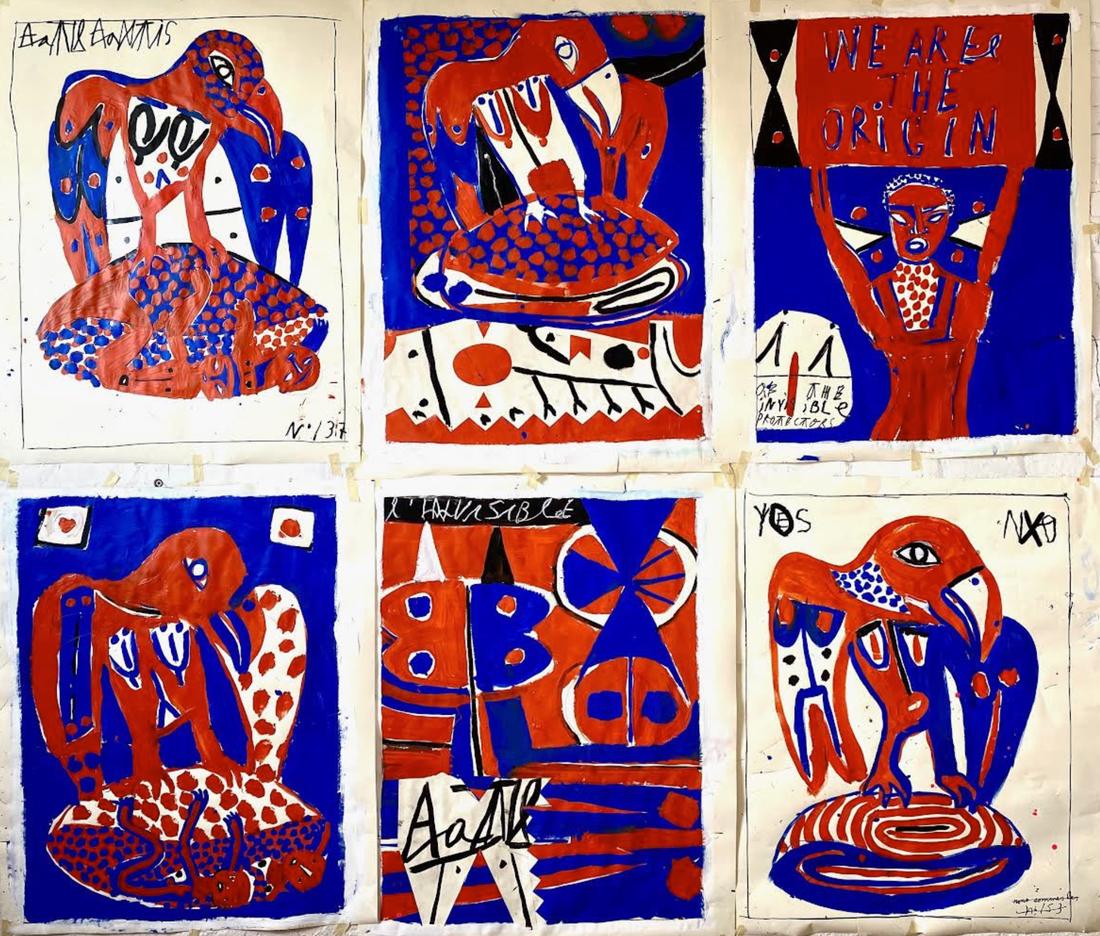
The title was not invented for this page. It was painted, in cobalt and vermilion, on a studio wall — the invisible protectors — long before anyone knew where the ninth gate would stand.
Every living culture is held together by what cannot be photographed: the agreement between a people and their land, the authority of an elder's memory, the grammar of a ceremony, the reason a herd moves at a certain hour. None of it appears in an aerial survey. All of it disappears if it is not carried.
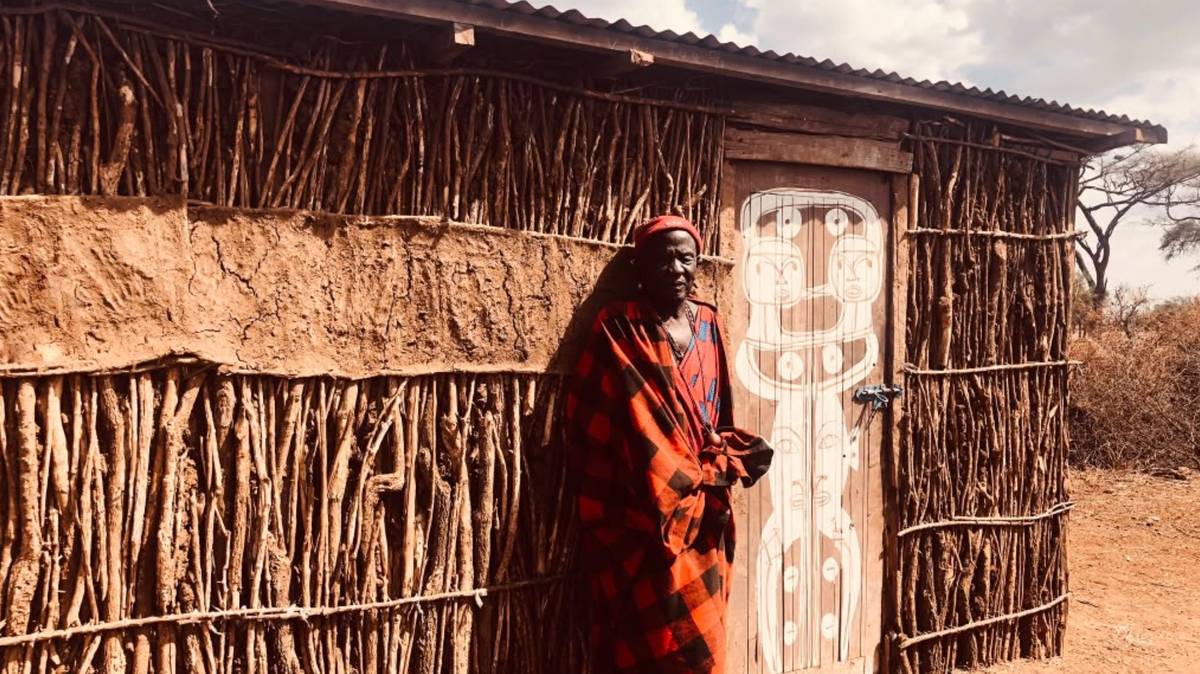
Much about the Maasai is endlessly visible — the red shuka, the beadwork, the jump. What actually holds them together is not, and it travels far less easily. The title is a way of saying quietly who does the protecting here.
The artist
For Carlito Dalceggio, creation has never been confined to the walls of a studio. Art is movement, encounter, ritual and transformation — a way of crossing boundaries between people, cultures, landscapes and states of consciousness.
He comes to Momella without a finished object and without a predetermined vision. He comes to live within the community, to listen, to observe, to exchange stories, and to let the work emerge from the relationships formed there. What is made will be made with them, and will look like them.
The Maasai who work beside him shape what the gate becomes. Through making, conversation, ceremony, everyday life and shared time, different understandings of freedom meet.
“An experiment in encounter — what can happen when an artist gives up a measure of control, and allows a work to be transformed by other hands, other voices, and another relationship to the world.” Carlito Dalceggio · Artistic Director

The work
A monumental gate, built from local materials, shaped by local imagery, standing in the open landscape. Its form, scale and symbolism are not decided in advance — they are discovered in the first days, together. It is conceived as a living sculpture rather than a static monument: visitors approach it, move around it, touch it, and finally pass through it.
The landscape will not simply surround it. Earth, wind, changing light, movement, sound and distance keep altering the experience of it. A gate seen against an open horizon stops being architecture and becomes a question: where does it lead? Perhaps nowhere, and everywhere. The passage is symbolic.
Days in the boma before a single line is drawn. Stories, materials, meanings, and what may not be depicted.
Maasai hands and the artist's hands draw the gate together, from local imagery and craft.
Many hands raise it over an intensive week. Skills pass in both directions; young people are trained.
A ceremony of crossing brings the gate to life — music, poetry, and the community's own rite.
The gate, the skills and the stewardship are handed to the community as its own.
The partnership
The week rests on a relationship that was already there. The community partner is Africa Amini Alama, founded in 2009 by Dr. Christine Wallner and Dr. Cornelia Wallner-Frisee, which has worked alongside Maasai and Meru families for more than fifteen years in health, education and livelihood.
That relationship, rather than any permit, is what makes the week possible — and it is what makes a no possible too. If a form, a symbol or a story is not for us, it stays where it is, and there is nothing to negotiate.
For the same reason, the section of this project that describes Maasai philosophy is deliberately unwritten. It is not ours to compose. It will be authored by the community, in its own words and on its own terms.
The Maasai hold a deep tradition of ceremony, oral storytelling and rites of passage — the very grammar of thresholds this movement is built around. We are not bringing the idea of the gate to them. We are asking to learn it.
The promise
Lasting value — cultural, educational and economic — for the community that builds it. The gate belongs to Momella. It is free at the point of experience, carries no advertising, and is stewarded locally. The people who build it are paid for their craft, funded through philanthropy and room bookings.

The arc
The rhythm below is indicative. The community's calendar leads, and the gate decides its own pace.
Two days of eight
Ngorongoro
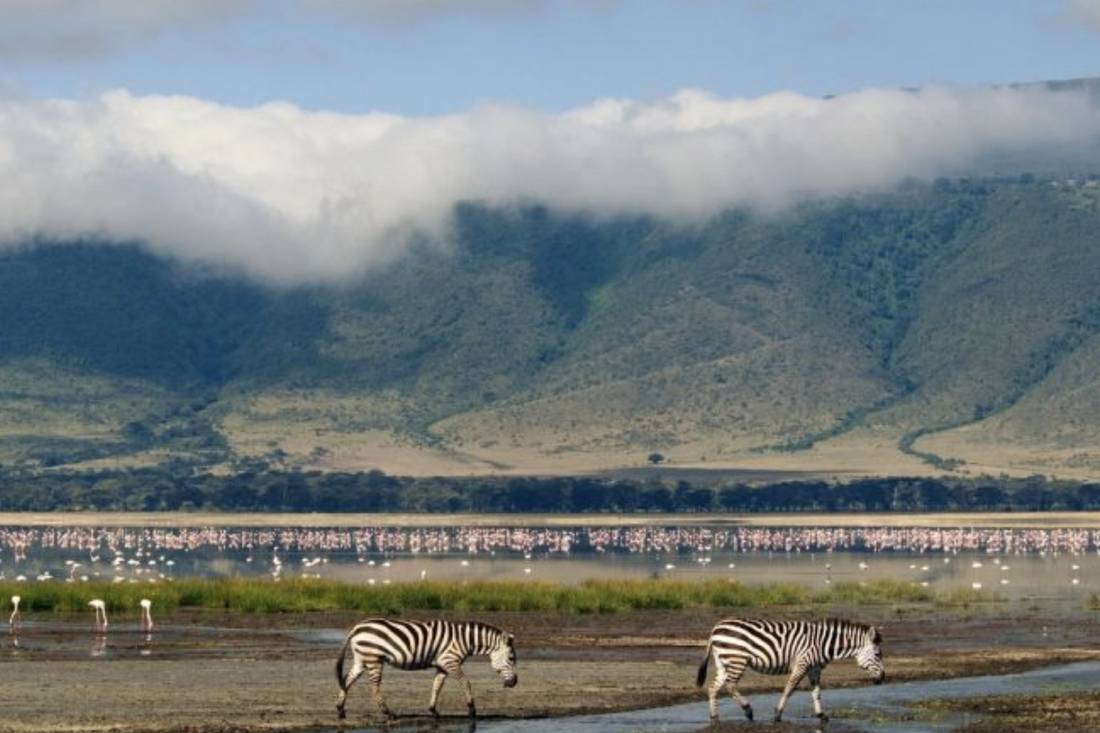
A collapsed volcano whose rim stands above two thousand metres, its floor held inside an unbroken wall — one of the last places on earth where a pastoral people still move their cattle through the same grass as the lion. Maasai families graze inside the conservation area. The coexistence is not a photograph. It is a daily negotiation, centuries old, and it is exactly what the gate is named for.
Kilimanjaro
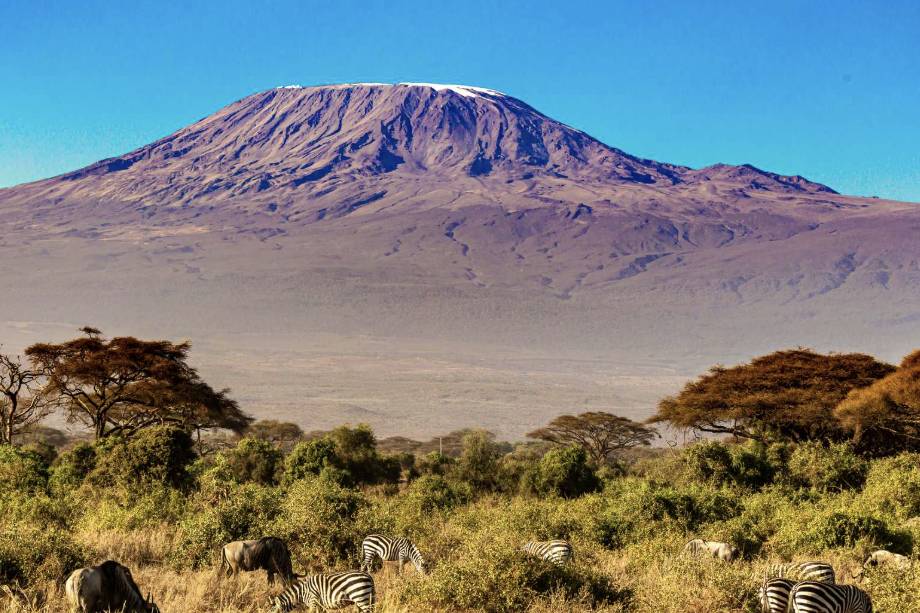
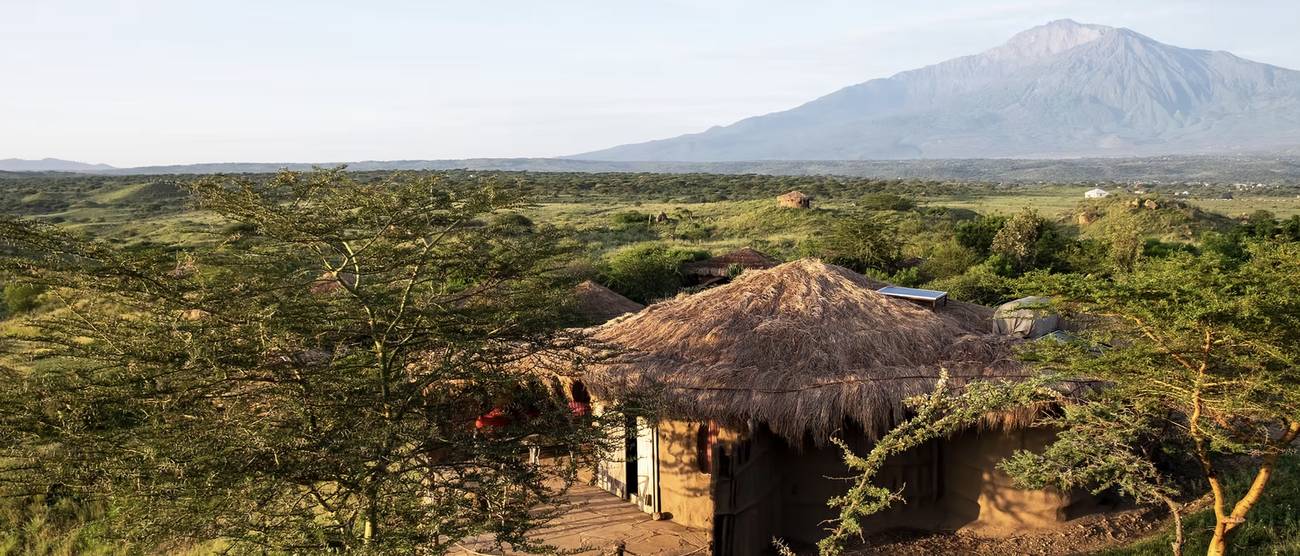
The highest mountain in Africa and the largest free-standing mountain in the world, rising alone out of the plain to 5,895 metres. It is visible from the site of the gate on a clear morning. A day is given to walking in its forest — not to summit anything, but to stand at the foot of the thing everyone here has looked at their whole life.
These are not excursions bolted onto an art project. They are the argument.


The company
The company is deliberately small: thirty participants across sixteen bomas. Large enough that a monumental structure can actually be raised by hand in a week. Small enough that every person is known by name in the boma by the third day.
Everyone who comes builds, paints, carries, cooks, plays or listens — the Caravan of artists and builders that moves from gate to gate, and those who join it for this one. Alongside them, artists invited from Tanzania and Kenya: musicians, poets, storytellers and makers who will play around the finished gate. This is an East African gate, and East African artists should be the ones who first make it sing.

Where you sleep
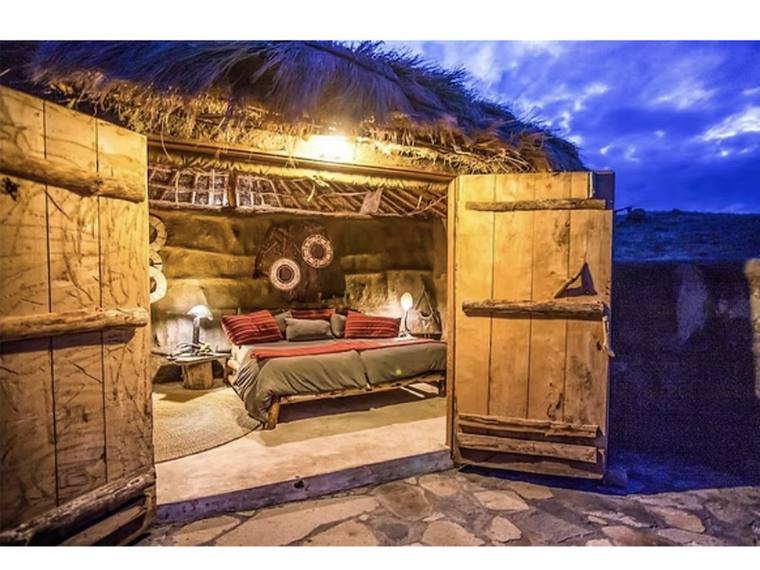
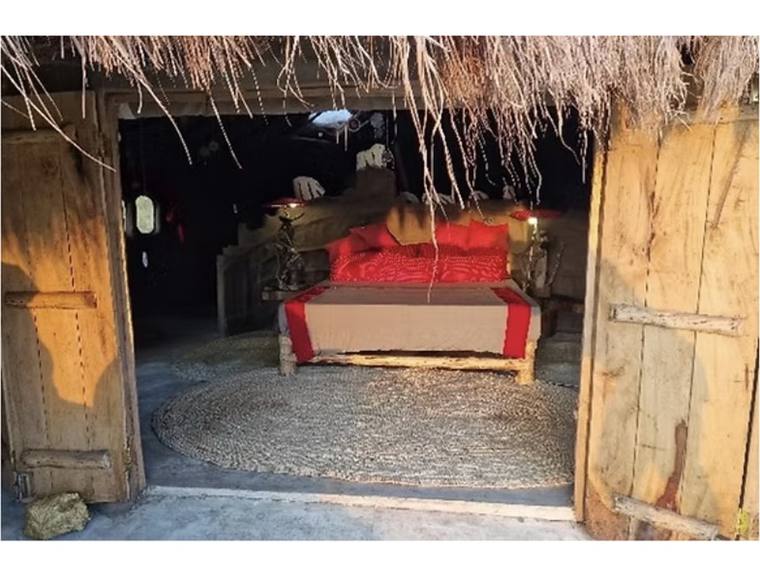
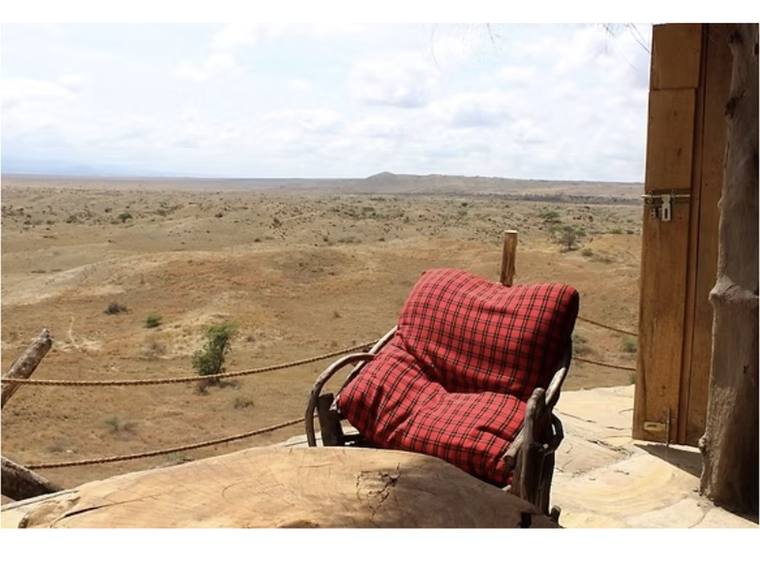
The company sleeps in bomas — walls shaped by hand from earth, roofs of thatch, no straight lines anywhere. Mount Meru stands behind them and Kilimanjaro shows itself on a clear morning. They are built by the same hands, and by the same method, as the gate will be.

Legacy
A monumental gate standing in the landscape, owned by the community that built it, free to cross, and kept by a chapter that gathers at the threshold long after the Caravan has gone.
Skills that were not there before — painting at scale, fabrication, the handling of materials — and wages: the people who build the gate are paid for their craft.
A record — film, photography, sound and text — made with consent, and a treasury of art, culture and wisdom that belongs to the community that authored it.
And the first chapter of a living mythology. We keep going, place to place, until the gates form a constellation across the world. What is decided here will shape every one that follows.

The ask
Gates of Liberation is given, not sold. What a participant pays covers their own presence; the gate, and everything that stays in Momella after it, are paid for by gifts.
The contribution
$4,444 sharing · $8,888 for a boma to yourself.
It covers the cost of the trip: seven nights and full board at the Maasai lodge, transport to Maasai land, entrance to the national parks, and a Land Rover and guide for the two days of safari.
Take a bed and build. The company is chosen, not sold — presence is the contribution.
The materials of the gate, the East African artists invited to play, and the film and sound record that carries it.
Africa Amini Alama runs Maasai Montessori schools in Momella. Support a classroom, a teacher, a year of places.
We bring a container of tools that stays behind for the local craftsmen after we have left.
Support the local chapter that stewards the gate once the Caravan has gone — the part of the work with no photographs in it.
Introduce the movement to a cultural institution, a foundation or a collaborator who should know it exists.
How this is held
Every contribution to this gate is anonymous. No name on the threshold, no plaque, no tier, no credit line. What is given disappears into the work — which is the only way a gift stays a gift.
Gates of Liberation is being formed as a cooperative, held by its members. Not owned by a founder, a patron or a foundation, but held in common by the people who build, carry and steward the gates — in the spirit of collaboration the work is made of.
To support Gates of Liberation, please donate to our 501(c)(3) fiscal sponsorship, through the Coven Art bank account.
Two ways in
Message us on WhatsApp and tell us who you are and why you want to be at the wall. The company is chosen, not sold — we answer everyone.
Underwrite the materials, the Montessori schools, the tools that stay behind, or the chapter that keeps the gate. Giving is anonymous, and 100% of it reaches the work.
Budget, travel detail and the film and documentation plan are available on request.